
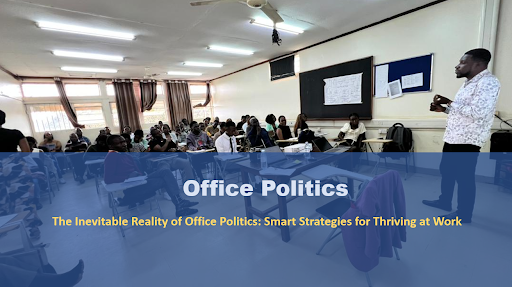
Office politics are an inescapable reality of professional life. Every workplace is a complex ecosystem of personalities, ambitions, and relationships. The term “office politics” often carries a negative connotation, conjuring images of manipulation or favoritism. Yet, when approached strategically and ethically, understanding workplace dynamics can be a valuable skill that helps professionals advance their careers and maintain a positive work environment.
The Origins of Office Politics
The concept of office politics has evolved over time. Historically, workplace politics referred to the informal power structures and interpersonal dynamics that influence decision-making and resource allocation within organizations. These dynamics often stem from differing goals, limited resources, and the human need for recognition. Ignoring politics doesn’t make them disappear, it simply leaves the playing field to others who are more adept at navigating it.
Recognizing this reality is the first step toward thriving in any organization. Professionals who understand how decisions are made, who holds influence, and how to align their work with organizational priorities are better positioned to succeed. This awareness isn’t about manipulation; it’s about strategic engagement.
When Politics Turn Toxic
I once worked with an insurance brokerage firm where the Managing Director himself was the chief politician. He blended micro-politics with management, creating an environment that was both toxic and sophisticated. Decisions were influenced less by merit and more by favoritism and manipulation. This atmosphere gradually eroded trust, affected morale, and significantly reduced the motivation, efficiency, and productivity of the staff.
This experience taught me that while some level of politics is unavoidable, unchecked political behavior can damage not only individual performance but also the collective productivity of an organization. When people feel sidelined or undervalued due to internal power games, engagement declines, innovation slows, and turnover increases.
The Role of Law and Ethics in Managing Office Politics
Every organization operates within a legal and ethical framework that governs behavior at work. Labor laws, anti-discrimination statutes, and workplace ethics policies or what in Uganda we call code of conduct are designed to ensure fairness, protect employees’ rights, and prevent abuse of authority. However, when office politics go unchecked, they often blur the line between personal influence and professional misconduct.
Unfair treatment, bias in promotions, or misuse of authority can lead to violations of labor laws and organizational codes of conduct. In many jurisdictions, such behavior may even expose organizations to legal risks related to harassment, defamation, or constructive dismissal.
Therefore, understanding the legal context is just as important as navigating the political one. Professionals who know their rights and leaders who enforce transparent policies help create an environment where ethical conduct prevails over manipulation. Clear grievance procedures, whistleblower protections, and compliance training all serve as legal safeguards that reduce the negative effects of office politics.
Building Genuine Relationships
One of the most effective ways to navigate office politics is by developing authentic relationships across all levels of the organization. Building trust and rapport with colleagues creates a strong professional network that provides support, insight, and collaboration opportunities. People are more likely to advocate for and collaborate with those they respect and trust.
This involves more than small talk it means showing genuine interest in others’ perspectives, giving credit where it’s due, and demonstrating integrity. Professionals who consistently act with transparency and fairness earn reputations as reliable team members, which strengthens their political capital.
Mastering Emotional Intelligence
Emotional intelligence (EI) is at the heart of political skill. The ability to read situations, manage one’s emotions, and empathize with others determines how effectively one can handle workplace dynamics. High-EI professionals can navigate conflicts diplomatically, provide constructive feedback, and build alliances even in challenging environments.
Self-awareness plays a key role here. Understanding how one’s behavior is perceived helps prevent miscommunication or unintentional friction. Likewise, empathy fosters collaboration and defuses potential tensions before they escalate into workplace drama.
Staying Aligned with Organizational Goals
In environments where political currents are strong, professionals can maintain credibility by focusing on performance and alignment with company objectives. When decisions and actions clearly support organizational success, it becomes difficult for detractors to undermine one’s reputation. Delivering consistent results, demonstrating initiative, and maintaining professionalism under pressure establish a foundation of respect and influence.
It’s also crucial to stay informed. Understanding the company’s strategic direction, leadership priorities, and cultural values enables employees to position their contributions effectively. Political awareness combined with competence creates the ideal balance between influence and integrity.
Avoiding Negative Politics
While participating in office politics is inevitable, engaging in toxic behaviors such as gossip, manipulation, or exclusion is never advisable. Negative politics may yield short-term gains, but they often damage reputations and relationships in the long run. Professionals who remain respectful, solution-oriented, and ethical distinguish themselves as trustworthy leaders.
When confronted with negative politics, it’s best to stay composed, document important interactions, and focus on facts rather than emotions. Seeking mentorship or guidance from trusted colleagues can also provide perspective and support. In serious cases, following proper internal reporting channels ensures that issues are handled within the legal and ethical framework of the organization.
Office politics are neither entirely good nor bad, they are simply part of how organizations function. The key to thriving lies in understanding these dynamics, developing strong relationships, and practicing emotional intelligence all while respecting the legal and ethical standards that protect fairness in the workplace.
By approaching politics strategically and lawfully, professionals can not only safeguard their careers but also contribute to a healthier, more collaborative environment. Success, after all, belongs to those who balance competence with tact, ambition with empathy, influence with integrity, and power with accountability.
✍️ Written by Odongo Stephen Paul — Team Lead, Future Den & HR Practitioner